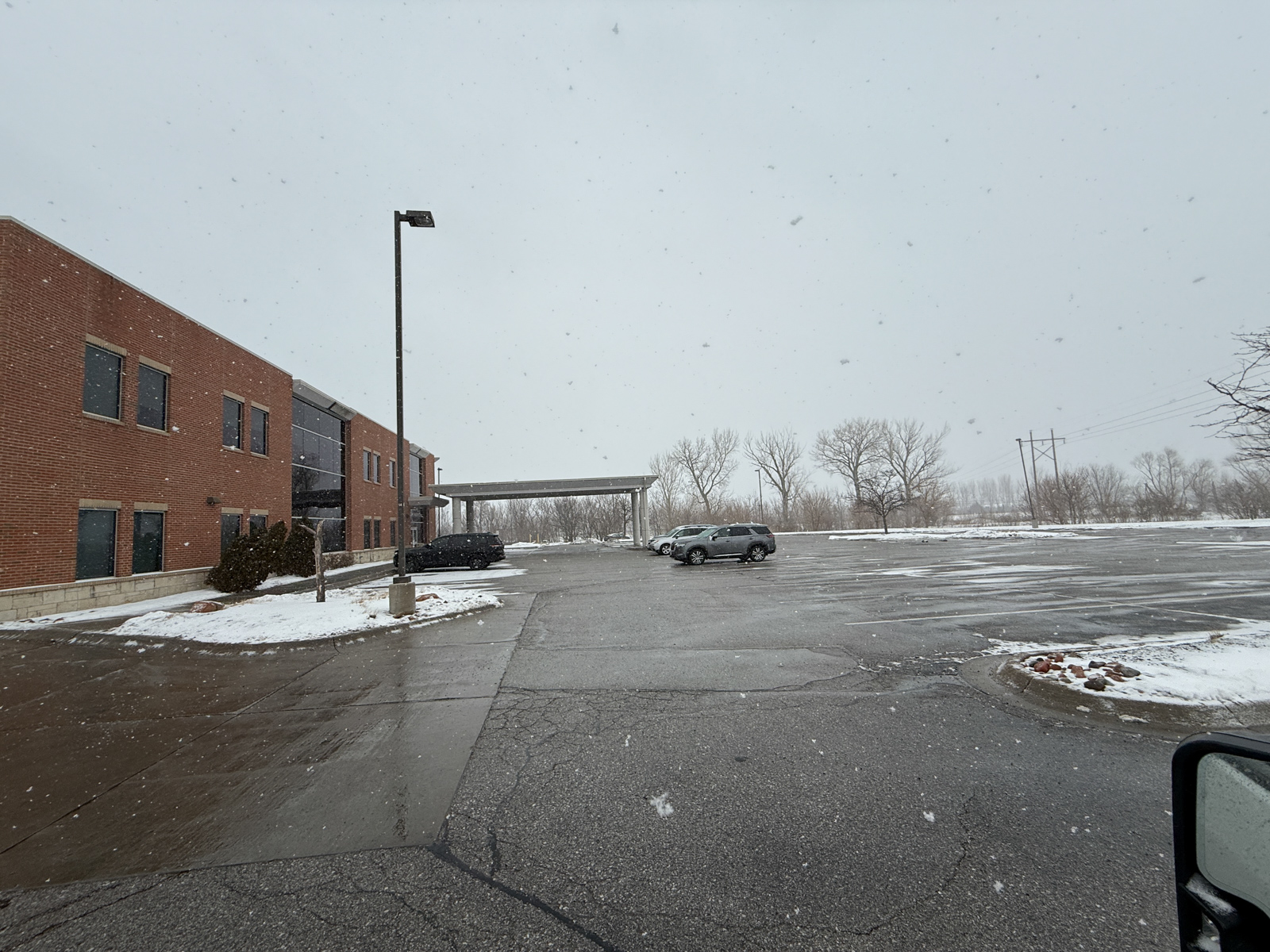
When winter weather hits Omaha, the last thing you want is uncertainty about whether your commercial property is accessible, safe, and operational.
Will your parking lots be cleared before employees arrive? Are sidewalks included? Who monitors conditions when melting snow refreezes overnight? And what happens when a major storm lasts longer than expected?
These questions should be answered long before the first snowflake falls.
A well-defined commercial snow removal contract establishes clear expectations between you and your snow management provider. Knowing what your agreement should include helps you compare proposals confidently, avoid unexpected costs, and keep your property prepared throughout winter.
Jump To:
Why a Clear Commercial Snow Removal Contract Matters
What Property Areas and Services Does the Agreement Cover?
What Triggers Snow Removal Service?
Does Your Contract Include Ice Management?
Define How Areas of the Property Will be Prioritized
Outline Communication and Documentation Expectations
How is Commercial Snow Removal Pricing Structured?
What Happens During a Major or Long-Duration Snowstorm?
Understand Who Is Responsible for What Snow Services
What Else Should You Compare in Snow Removal Proposals?
Frequently Asked Questions About Commercial Snow Removal Contracts
Partner With Groundscapes for Commercial Snow and Ice Management
Why a Clear Commercial Snow Removal Contract Matters
A snow removal service agreement should do more than establish a price. It should explain exactly what services will be provided, when they'll happen, and what responsibilities belong to each party. Without those details, misunderstandings become much more likely.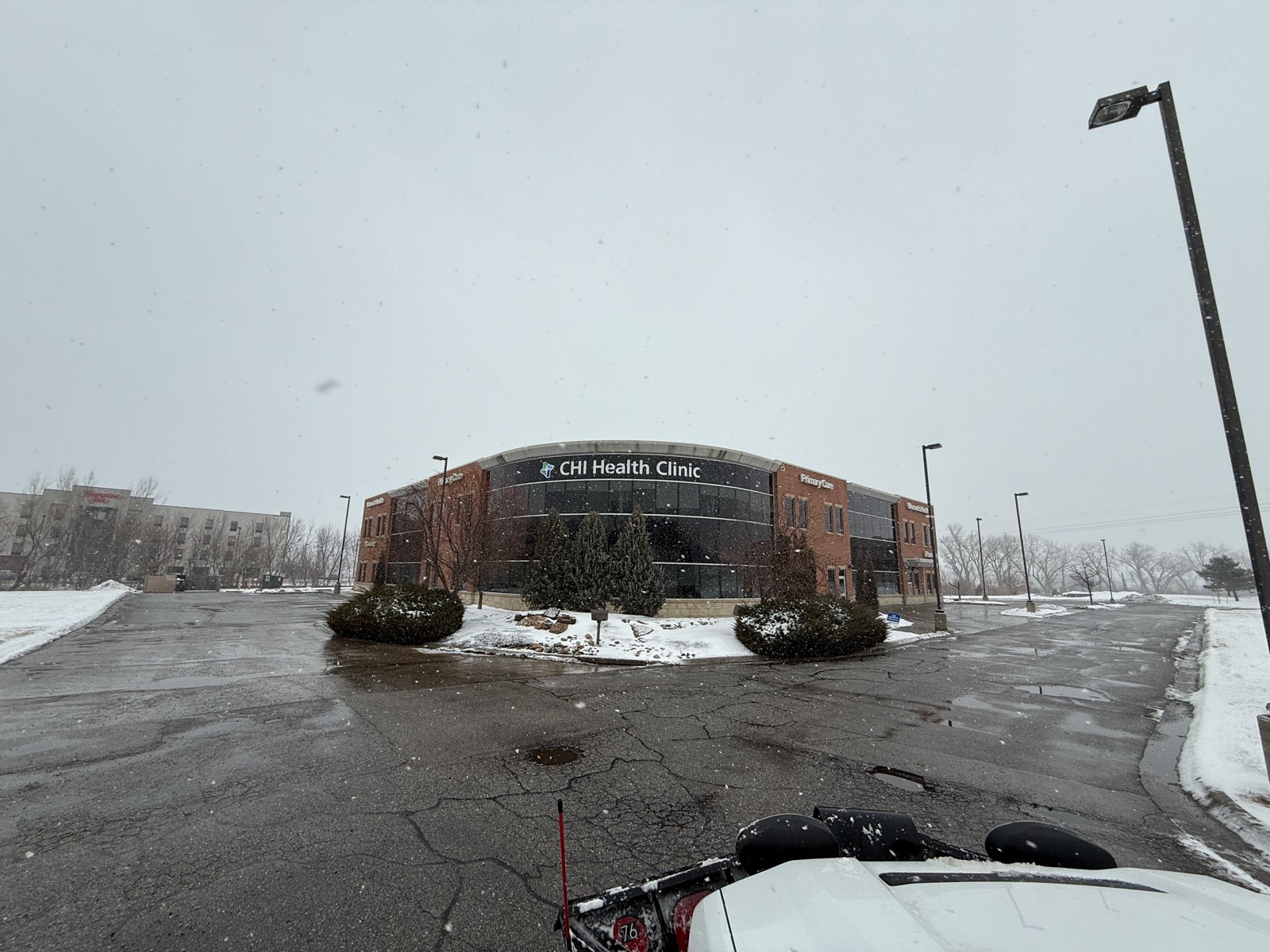
For example, you may expect your parking lot to be completely cleared by 7:00 am, while your contractor's agreement only specifies when service begins. Or, you might assume a secondary parking area is included when it's actually excluded from the scope.
Clarifying these expectations before winter helps eliminate confusion when conditions become challenging.
What Property Areas and Services Does the Agreement Cover?
Your commercial snow plow contract should clearly identify every area receiving service, including parking lots, entrances, sidewalks, loading areas, and access points.
At Groundscapes, we use detailed site maps to identify service areas, priority locations, designated snow-storage areas, and exclusions. We also conduct preseason property reviews and physically mark curbs, corners, sidewalks, and other obstacles before they're buried beneath snow.
This preparation helps our crews understand your property and execute the agreed-upon plan, even during overnight storms.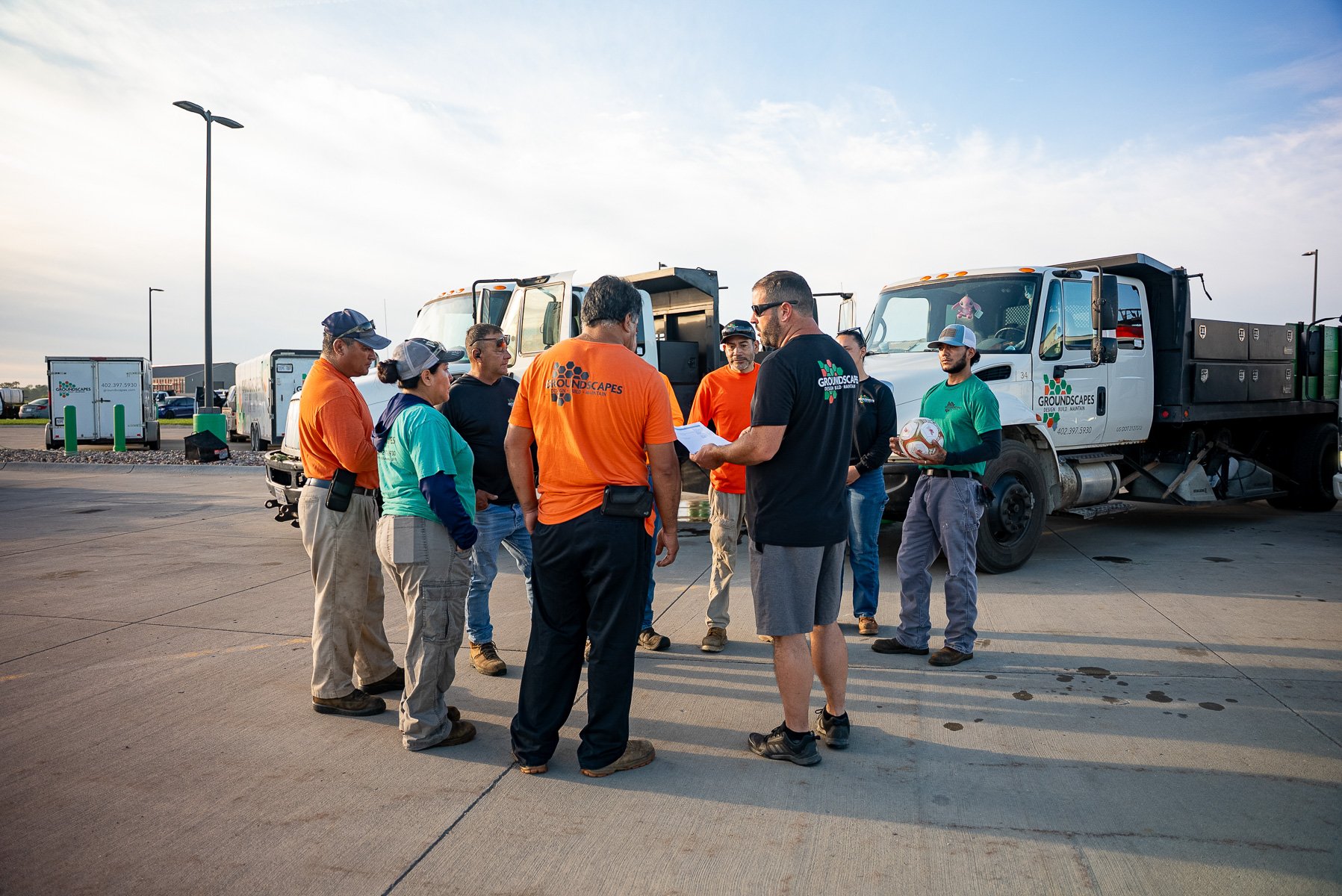
What Triggers Snow Removal Service?
When a snow removal team mobilizes depends on a site’s individual needs, and the contract should clearly outline it from the start. The right approach depends on your property's operating hours, accessibility requirements, and service expectations.
Groundscapes' standard snow trigger is half an inch, though that doesn’t mean it’s set in stone. Many commercial properties require action before accumulation reaches that threshold. Some properties need pretreatment before precipitation begins, while others require immediate dispatch or ongoing plowing throughout a storm.
You may also encounter the term "zero tolerance" in commercial snow contracts. Because that phrase can mean different things to different contractors, it's important to establish specific service triggers rather than relying on the terminology alone.
Does Your Contract Include Ice Management?
Snow plowing and ice management are different services, and your agreement should address both.
Depending on the weather, Groundscapes may pretreat parking lots and sidewalks with salt or ice-melting products before precipitation begins. Additional treatments may be necessary during the storm and after final cleanup.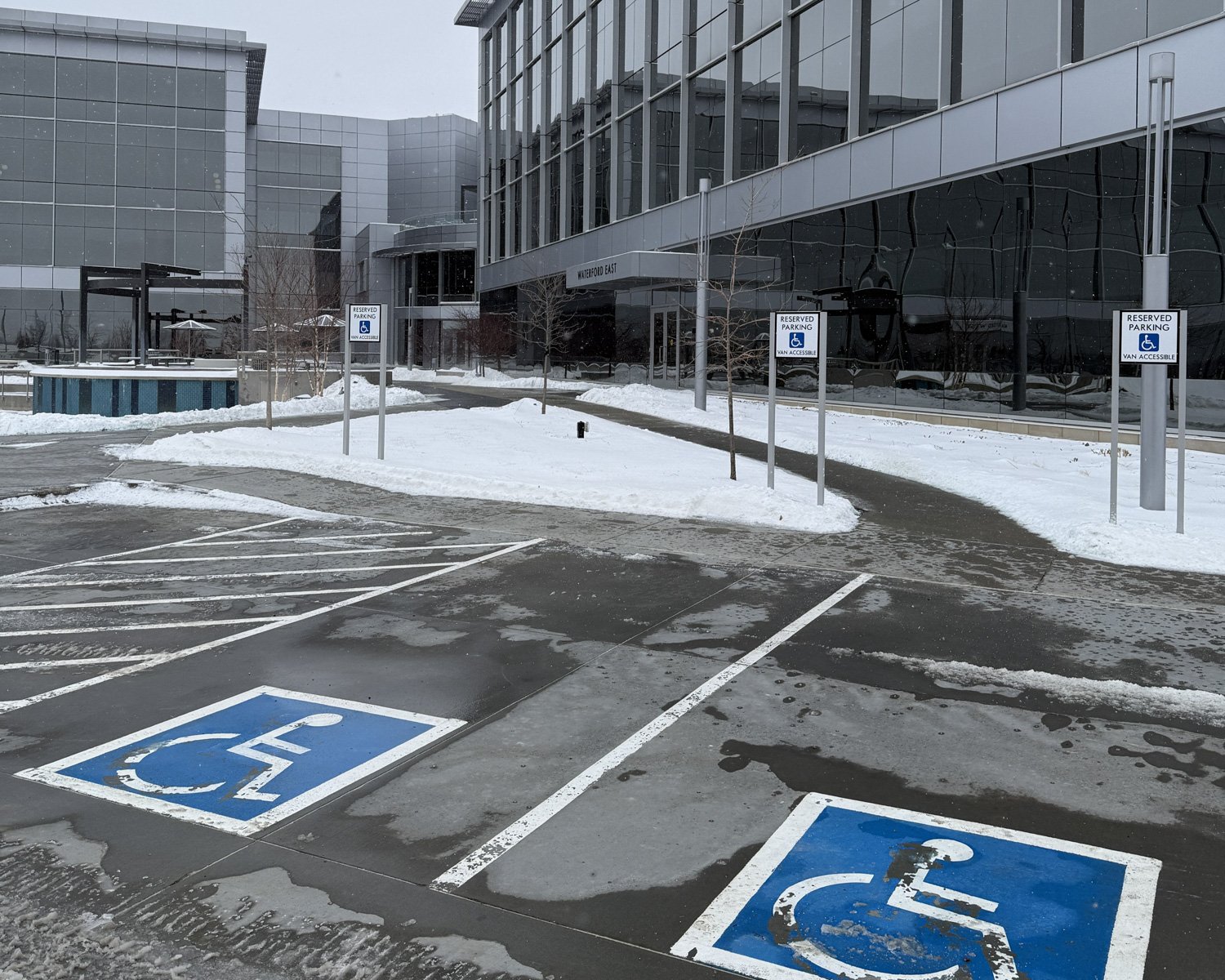
Refreezing is another important consideration. Melting snow, pavement temperatures, and changing weather conditions can create slippery surfaces long after precipitation ends.
Your agreement should clearly establish who monitors those conditions and who is responsible for additional treatments.
Define How Areas of the Property Will be Prioritized
Even within one property, certain entrances, access roads, or loading areas may take priority.
Not every commercial property operates on the same schedule. Medical facilities, industrial properties, logistics operations, and university campuses may require service very early or throughout the night. Office buildings and retail properties may have different needs depending on operating hours.
At Groundscapes, we work with property managers before winter to identify critical areas and develop a service plan around the property's actual operations.
Outline Communication and Documentation Expectations
Groundscapes typically begins communicating approximately 24 hours before a predicted storm, outlining the forecast and anticipated service plan. We communicate when services begin, provide additional updates during extended events, and follow up afterward.
Documentation is equally important. Your snow removal provider should keep you informed before, during, and after a winter event.
Our teams use GPS equipment tracking, crew clock-in records, photographs, certified snowfall reports, and detailed records of services performed. We also document weather conditions, pavement temperatures, materials applied, and completion times.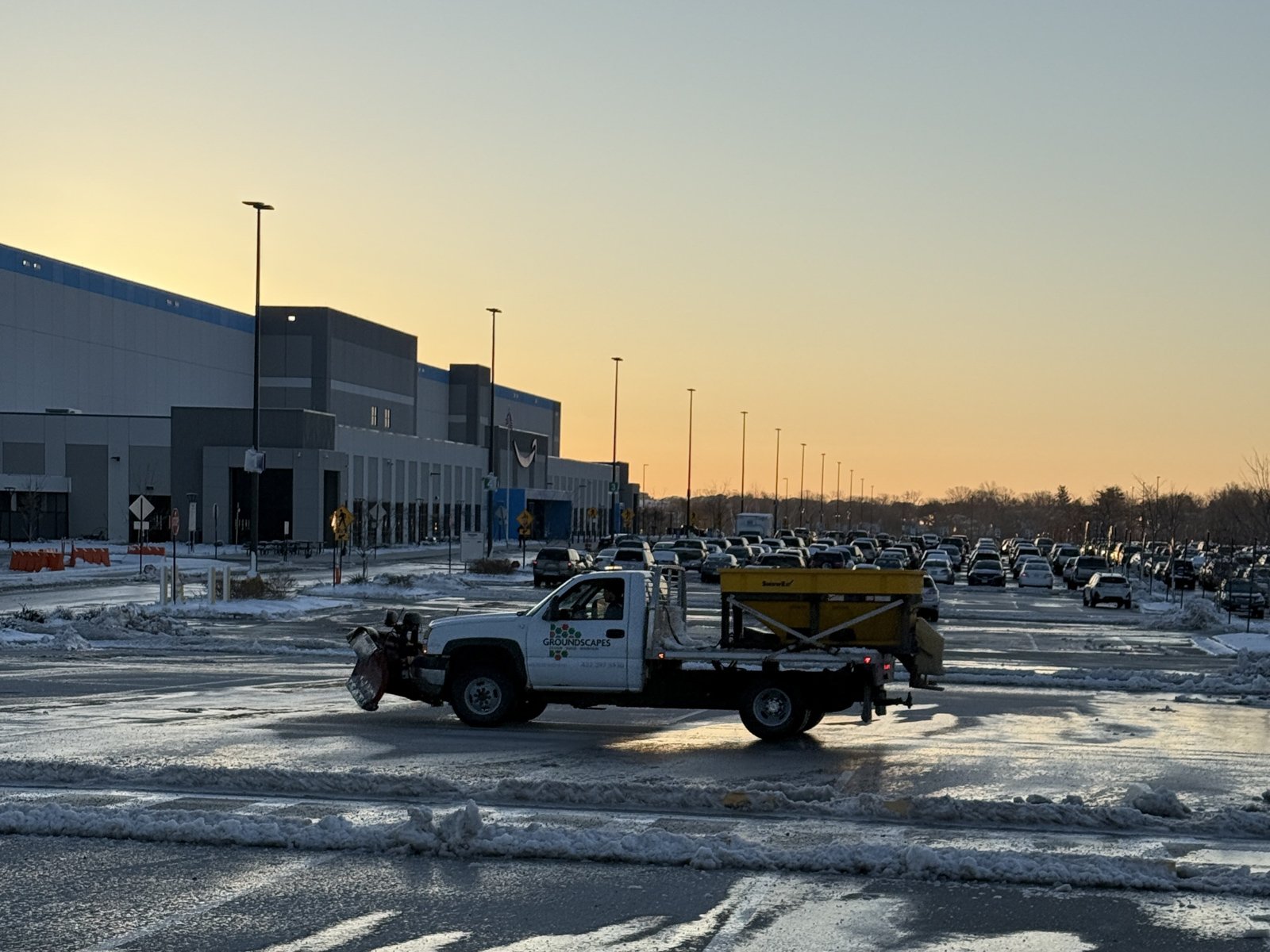
These records help verify completed services and provide objective information if questions or claims arise later.
How is Commercial Snow Removal Pricing Structured?
Most commercial snow removal agreements use hourly, per-inch, or seasonal pricing. Ice management can also be billed by material usage, per application, or as part of a seasonal agreement.
When comparing snow removal proposals, make sure you're evaluating equivalent services. A lower-priced proposal may exclude sidewalks, provide different service triggers, or charge separately for ice treatments and additional work.
Understanding what's included and what costs extra is essential to comparing the true value of different contracts.
What Happens During a Major or Long-Duration Snowstorm?
Commercial properties often require repeated service throughout a storm rather than waiting until snowfall ends. Your agreement should explain how the company will handle ongoing plowing, final cleanup, and accumulating snow.
It's also important to understand the differences between these services:
- Snow plowing: Pushing snow into designated storage areas on the property.
- Snow relocation: Moving accumulated snow elsewhere on the property when piles interfere with access, visibility, or operations.
- Snow hauling: Loading snow into trucks and removing it from the property entirely.
As winter progresses, available snow-storage space can become limited. Discussing these possibilities before the season begins helps prevent operational problems later.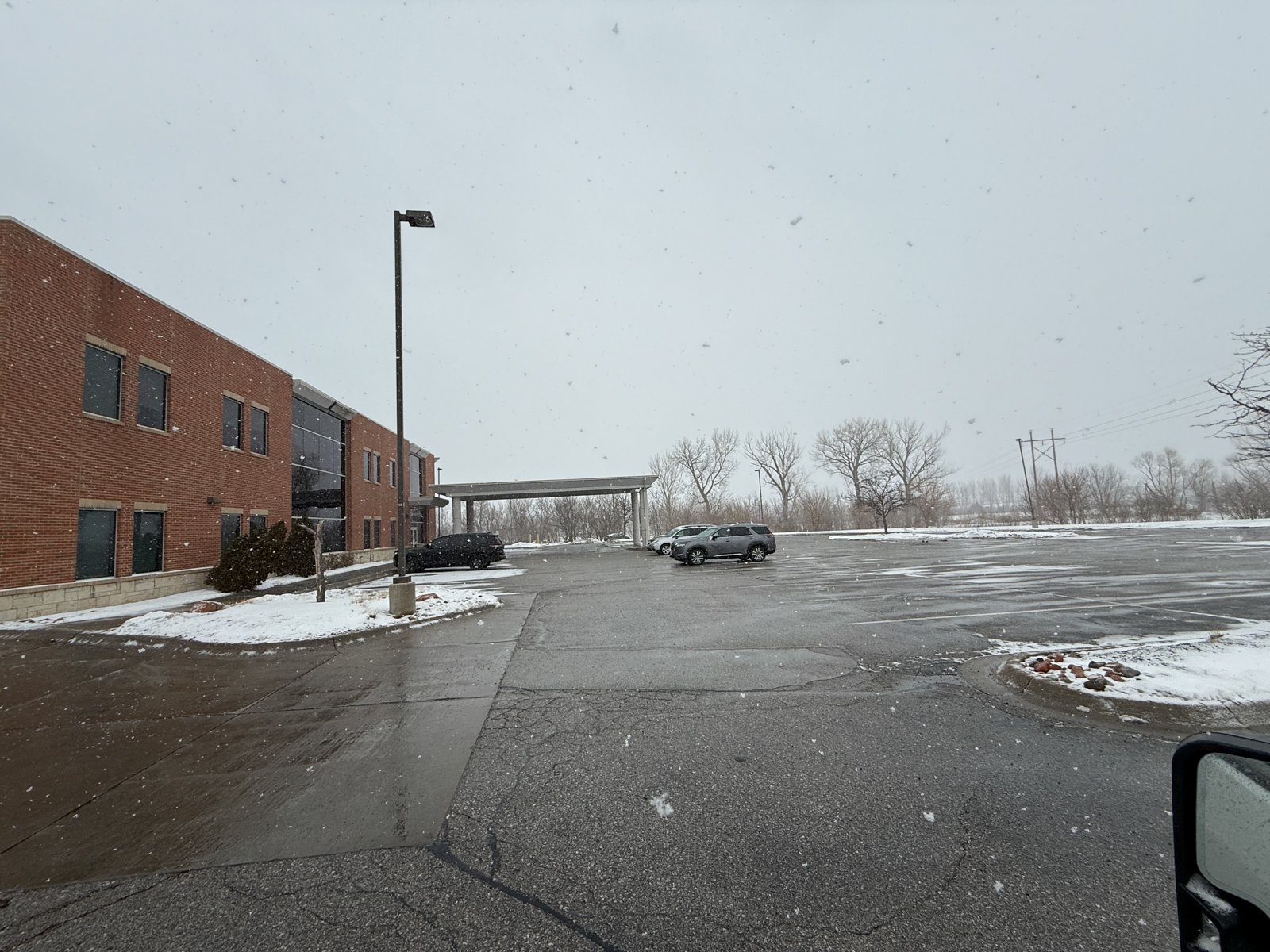
Understand Who Is Responsible for What Snow Services
Effective snow management requires coordination between the contractor and property manager. Your contractor should understand the property, establish the operational plan, provide appropriate equipment and staffing, monitor weather, perform services, and document completed work.
As the property manager, you're typically responsible for identifying property boundaries, disclosing known hazards, communicating operating hours and priorities, approving snow-storage locations, and establishing who can authorize additional services.
Both parties should understand these responsibilities before winter begins, and outline them clearly in the contract.
What Else Should You Compare in Snow Removal Proposals?
Beyond price and scope, one of the most important questions is whether the contractor can actually fulfill the agreement. During a major Omaha storm, nearly every commercial customer needs service simultaneously.
Ask prospective contractors about their available equipment, staffing capacity, backup equipment, contingency plans, and ability to sustain operations during prolonged weather events. A competitive proposal means little if the contractor doesn't have the resources to deliver the promised services.
Frequently Asked Questions About Commercial Snow Removal Contracts
When should Omaha businesses sign a snow removal contract?
Ideally, agreements should be finalized before winter weather arrives, allowing time for property inspections, service planning, and marking potential hazards.
What does zero-tolerance snow removal mean?
The term generally suggests a high level of responsiveness to snow and ice, but its meaning varies. Your agreement should define exactly when treatment and plowing begin.
How should a commercial property prepare before winter?
Identify service boundaries, operating priorities, known hazards, and snow-storage areas. Review these details with your contractor before the first storm.
Partner With Groundscapes for Commercial Snow and Ice Management
A successful snow removal agreement isn't simply about hiring someone to plow your parking lot. It's about establishing a dependable service plan that supports your property's operations throughout the winter.
Groundscapes provides commercial snow and ice removal in the Greater Omaha area, with an emphasis on proactive planning, clear communication, detailed documentation, and dependable execution.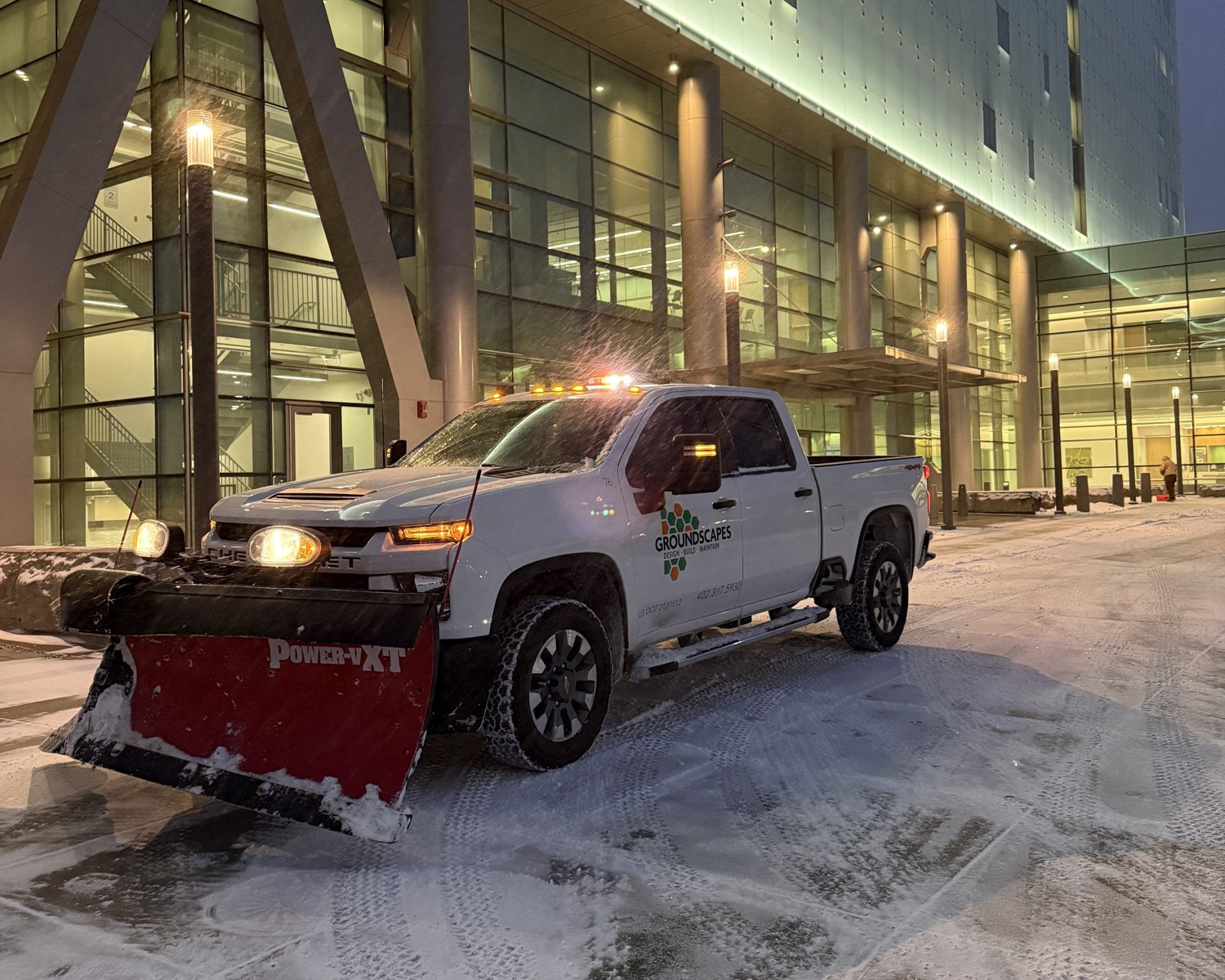
From preseason site preparation to managing changing conditions during major storms, our team works to ensure expectations are established before they're put to the test.
Learn more about our commercial snow and ice management, and discover how your property can benefit from a clear, safe, accessible site during storms. Fill out our consultation form to get started with a safer winter property.