A great patio can completely change how you use your backyard. It can give you a place to relax after work, entertain friends, enjoy dinner outside, or spend more time together as a family. But before you start choosing furniture or planning your first backyard gathering, there's an important decision to make: Should you install a paver patio or a concrete patio?
Both materials can create an attractive, functional outdoor space. They also come with different costs, design options, maintenance requirements, and long-term considerations. And here in Nebraska, where freezing winters and changing temperatures can take a toll on outdoor surfaces, choosing the right patio material is especially important.
At Groundscapes, we help homeowners across the Greater Omaha area compare options and choose materials that fit their homes, budgets, and long-term goals.
Jump To:
What's the Difference Between a Paver Patio and a Concrete Patio?
Paver Patio vs. Concrete Patio Pros and Cons
How Do Pavers and Concrete Handle Omaha's Freeze-Thaw Cycles?
Which Patio Material Offers More Design Options?
Are Paver Patios More Expensive Than Concrete Patios?
Which Patio Material Requires Less Maintenance?
How to Choose a Patio Material That Complements Your Home
Are Pavers or Concrete Better for an Omaha Backyard?
Let Groundscapes Help You Design the Right Patio for Your Backyard
What's the Difference Between a Paver Patio and a Concrete Patio?
The biggest difference between patio types comes down to how each surface is constructed. A traditional concrete patio is created by pouring concrete into a prepared area, where it cures into a solid slab. Concrete can be finished in several ways, including smooth, broom-finished, colored, or stamped surfaces.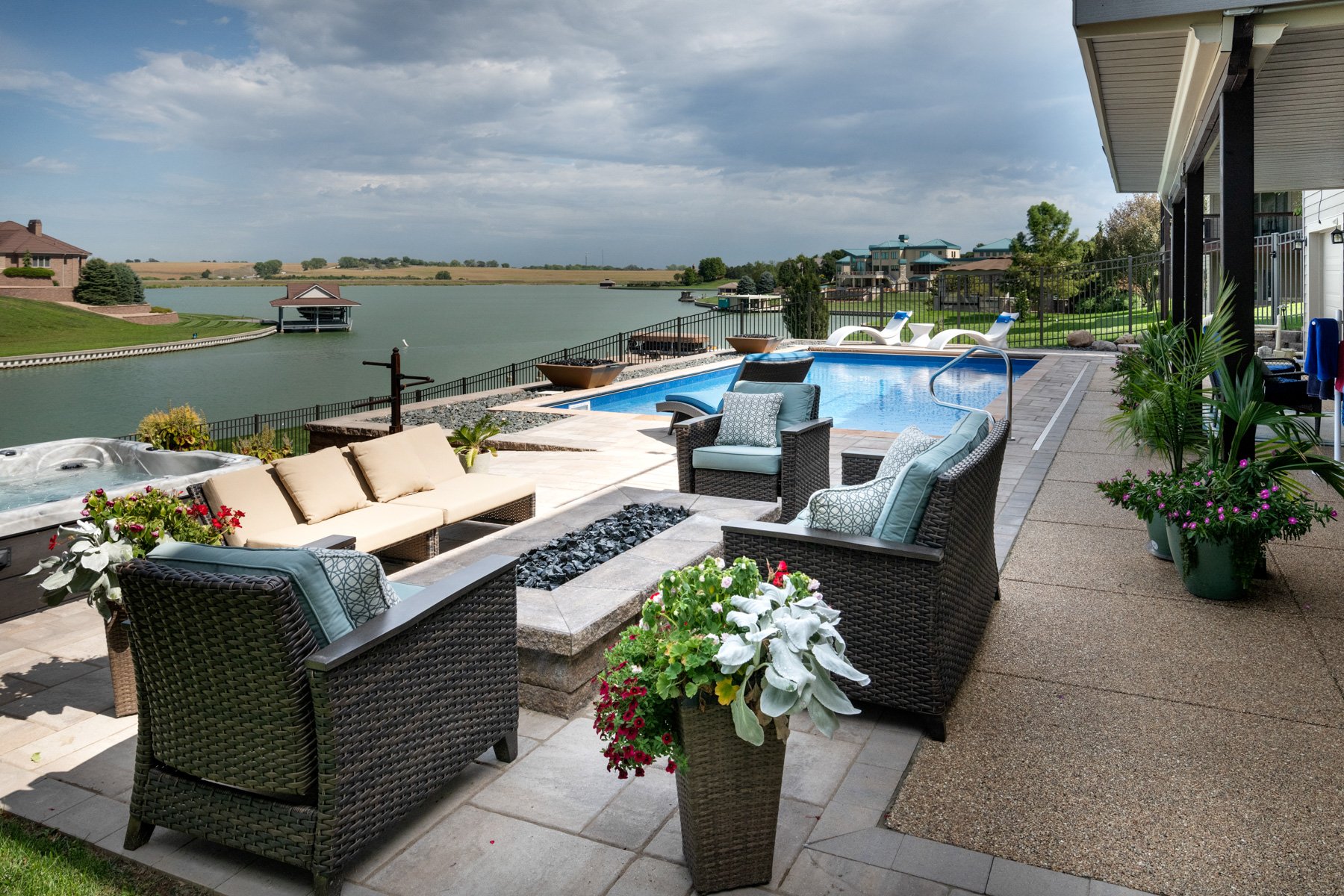
A paver patio, on the other hand, is made from individual manufactured units installed together over a carefully prepared base. Think of it almost like putting together a puzzle, where each paver fits into a larger pattern to create the finished surface.
Because pavers are individual pieces rather than one continuous slab, they offer more flexibility in both design and repair. If a concrete slab develops a significant crack or damaged section, repairing it without leaving a visible difference can be challenging. With a paver patio, you can often remove and replace individual damaged pavers.
Pavers also come in a wide range of shapes, sizes, colors, and textures, giving homeowners more freedom to create a patio that complements their home.
Concrete remains a practical option, particularly when cost and installation speed are priorities. The right choice depends on what matters most to you.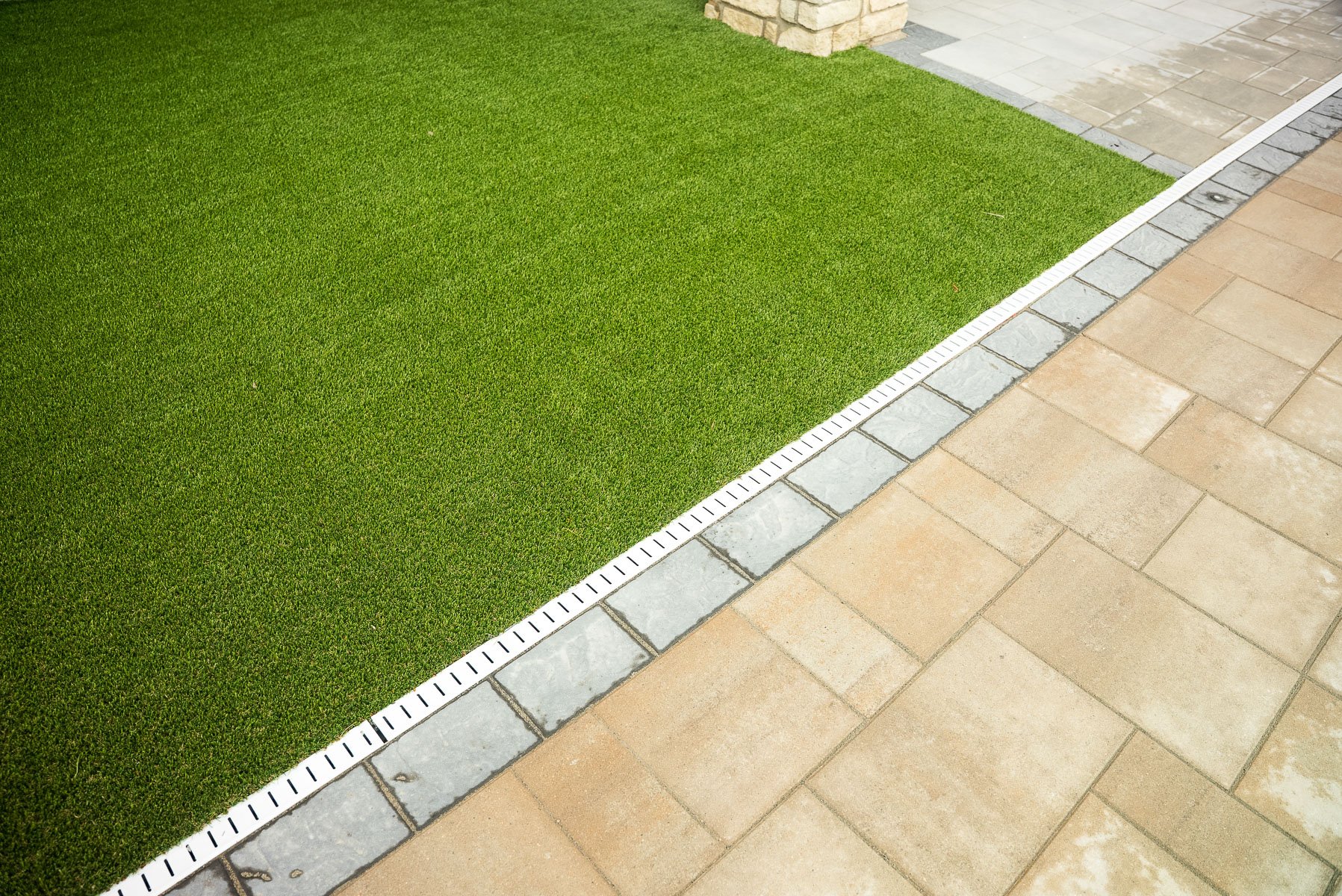
Paver Patio vs. Concrete Patio Pros and Cons
Before choosing a patio material, it helps to understand each option's advantages and limitations.
Benefits of a Paver Patio
Paver patios are a popular choice for homeowners who want a more customized outdoor living space. Some of their biggest advantages include:
- More design flexibility. Pavers come in different shapes, sizes, textures, and colors, making it possible to create everything from clean, modern layouts to more traditional patterns.
- Easier individual repairs. If a paver is damaged, you can often replace it without rebuilding a large section of the patio.
- Better accommodation of seasonal movement. A properly installed paver system can handle small amounts of ground movement and freeze-thaw cycles without developing the same type of continuous cracks seen in poured concrete.
- Long-term durability. High-quality pavers installed over a properly prepared base can last for decades.
- A more customized appearance. Borders, patterns, and accent areas can help the patio feel like an intentional part of your landscape design.
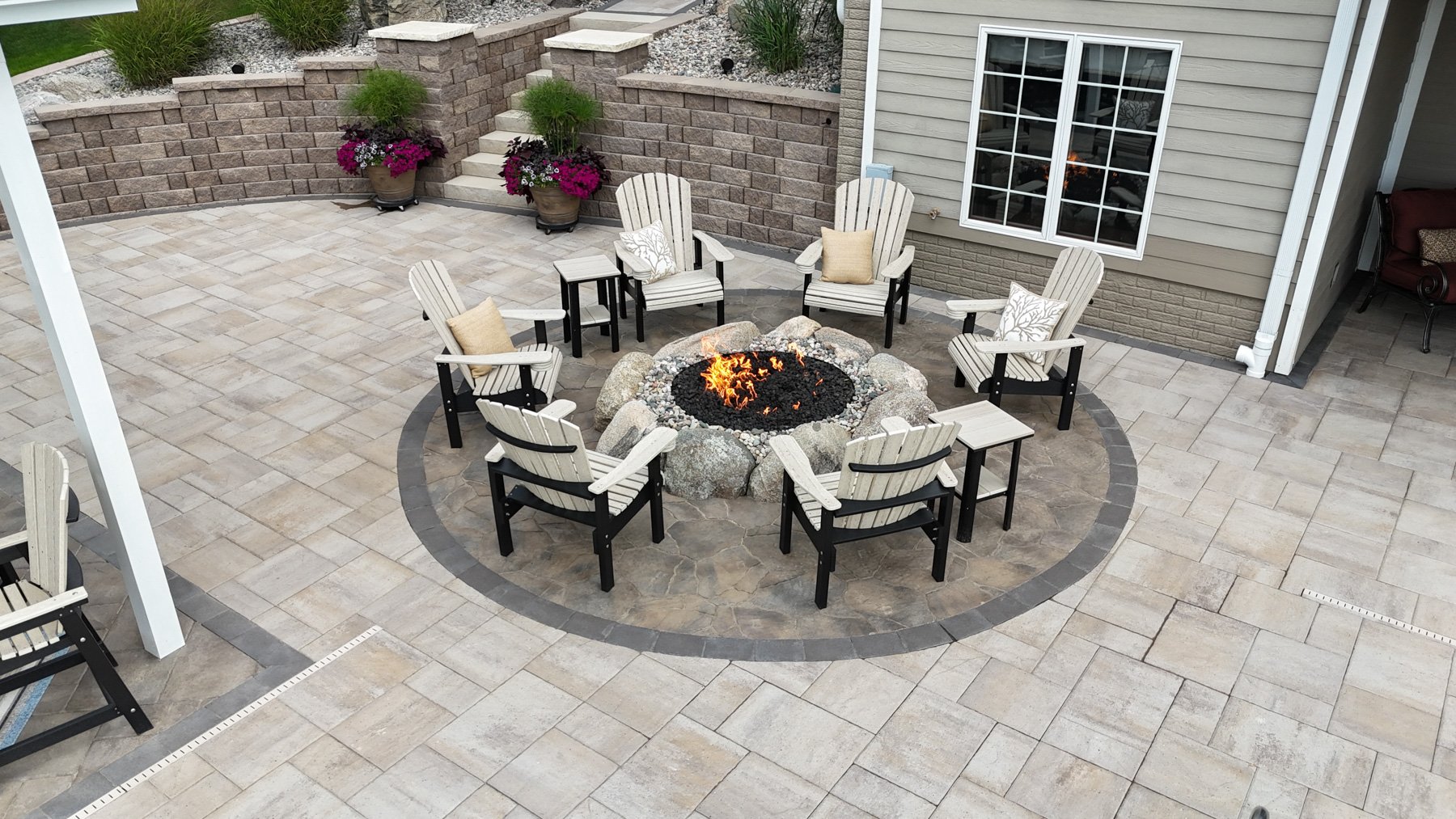 The biggest consideration is cost. Paver patios typically require more labor and a greater upfront investment than standard poured concrete. They also need occasional maintenance, including joint sand replacement when necessary. Depending on the patio's condition and exposure, we’ve found that polymeric sand may need attention after several years.
Benefits of a Concrete Patio
Concrete patios offer their own advantages, especially for homeowners who want a straightforward outdoor surface at a lower initial price point. Benefits include:
- Lower upfront cost. Standard poured concrete is generally less expensive than a professionally installed paver patio.
- Faster installation. Concrete can cover a large area relatively quickly once the site is prepared.
- Different finishing options. Stamped or colored concrete can create decorative looks beyond a traditional gray slab.
- A continuous surface. Concrete provides a solid, uninterrupted patio surface that some homeowners prefer.
The biggest drawback is cracking. Concrete is rigid, and Omaha's seasonal temperature swings and ground movement can stress the slab. Proper installation and control joints help reduce cracking, but they can't eliminate it.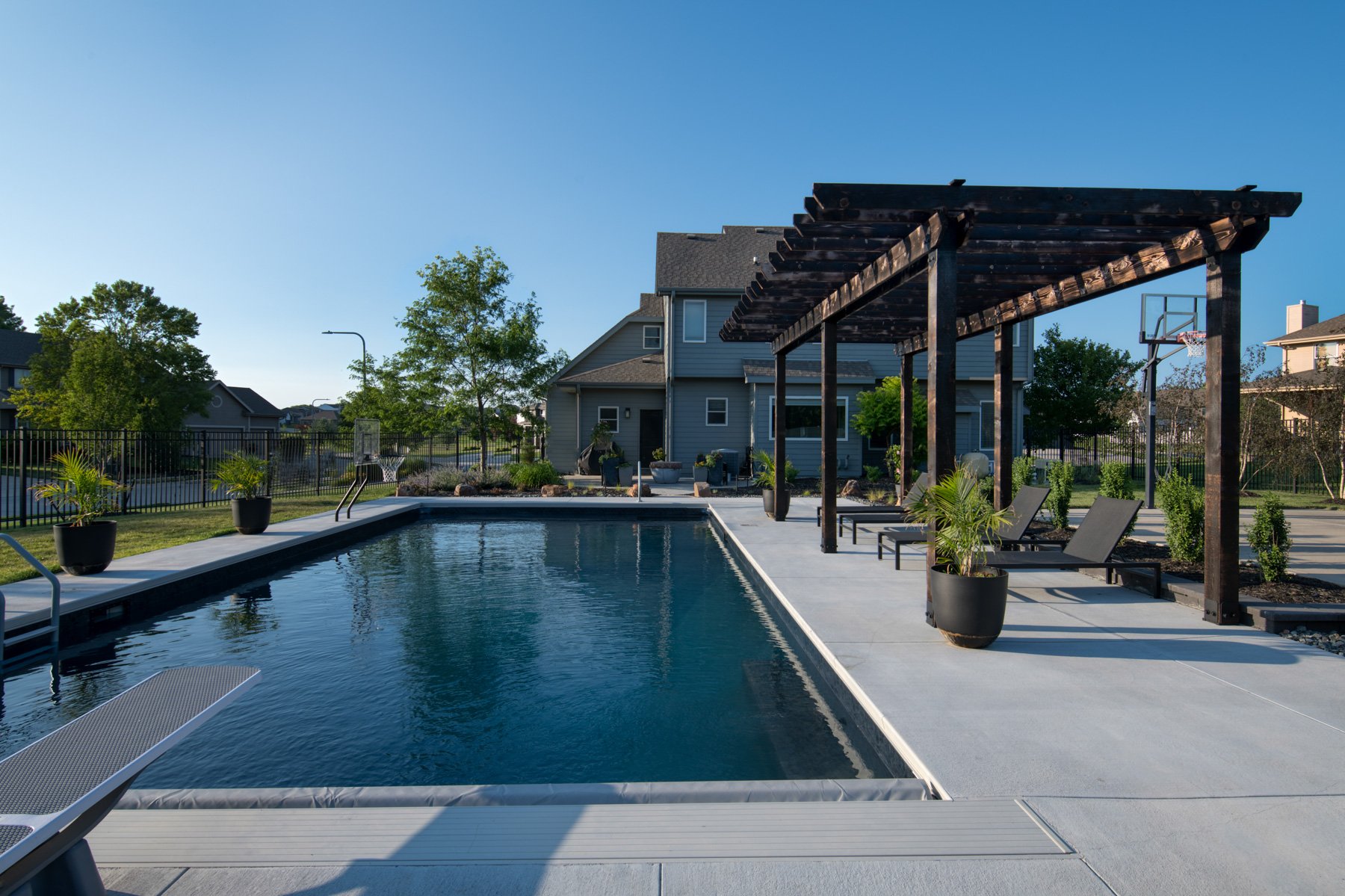
When damage does occur, repairs can be more noticeable than replacing a single paver.
How Do Pavers and Concrete Handle Omaha's Freeze-Thaw Cycles?
Nebraska weather should be a major consideration when selecting patio materials. In the Omaha area, temperatures can fluctuate significantly throughout the year. During winter, moisture in the ground can freeze, expand, and thaw repeatedly.
These freeze-thaw cycles can cause movement beneath outdoor surfaces, especially when drainage and base preparation aren't handled correctly.
How Concrete Handles the Cold Months
Concrete is strong, but it's also rigid. As the ground beneath a concrete patio moves, stress can develop within the slab. Over time, that stress may contribute to cracking, settling, or other surface problems.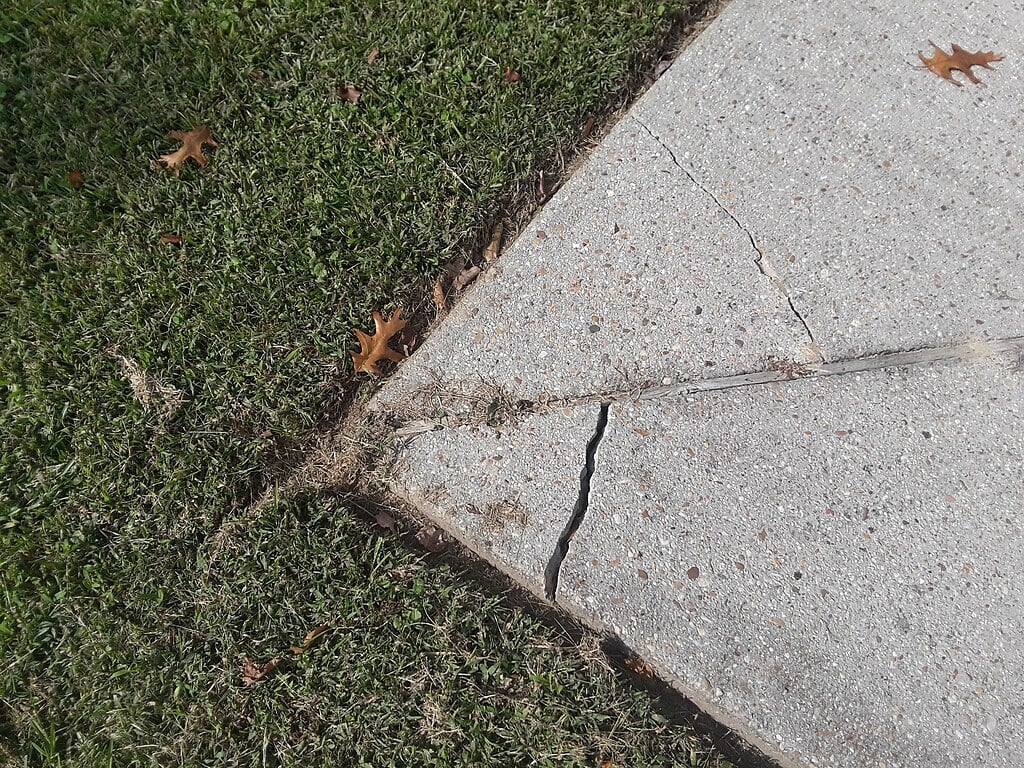
Properly placed control joints, suitable concrete mixtures, reinforcement where appropriate, and good drainage can help improve performance. Still, cracking is common with concrete patios, especially in climates like ours.
How Pavers Handle the Cold Months
Pavers are installed as individual units over a compacted base, allowing the system to accommodate some movement. At Groundscapes, our typical paver patio installation includes about six inches of prepared base material, though site conditions determine the final construction requirements.
That foundation is an important part of how the patio performs through changing seasons. When properly installed with appropriate drainage and edge restraints, pavers can handle Omaha's freeze-thaw conditions quite well.
For homeowners planning a long-term outdoor living investment, this is one reason we often recommend pavers over poured concrete.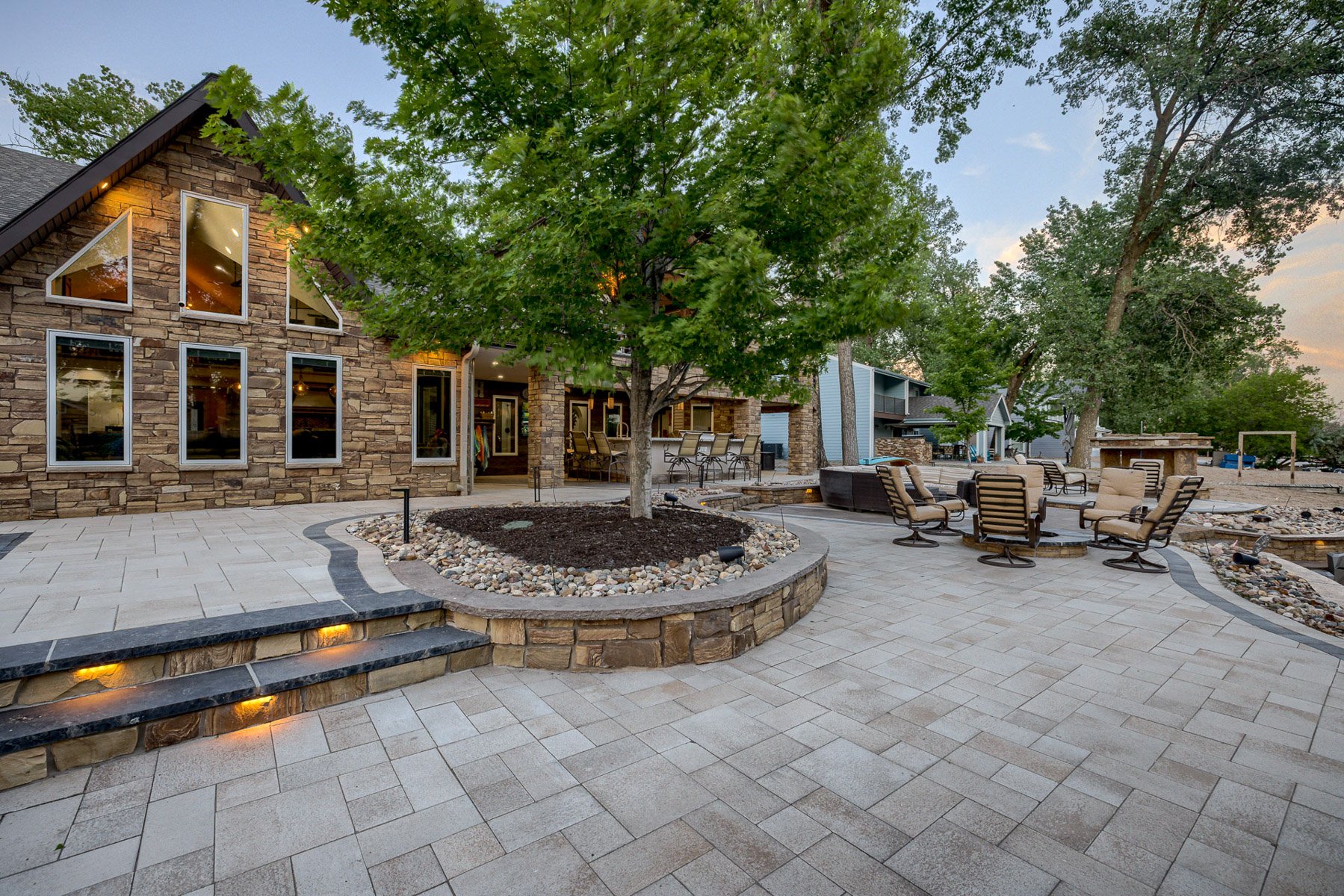
Which Patio Material Offers More Design Options?
If you're looking for a patio that feels like a natural extension of your home, design flexibility is worth considering. Concrete has more possibilities than many homeowners realize. Stamped concrete can imitate stone or brick patterns, and integrated colors or surface treatments can create a more decorative finish. But pavers take customization to another level.
With pavers, you can choose from large-format rectangular styles, geometric shapes, textured finishes, and even products designed to resemble natural stone or wood. You can also combine different paver styles within the same patio.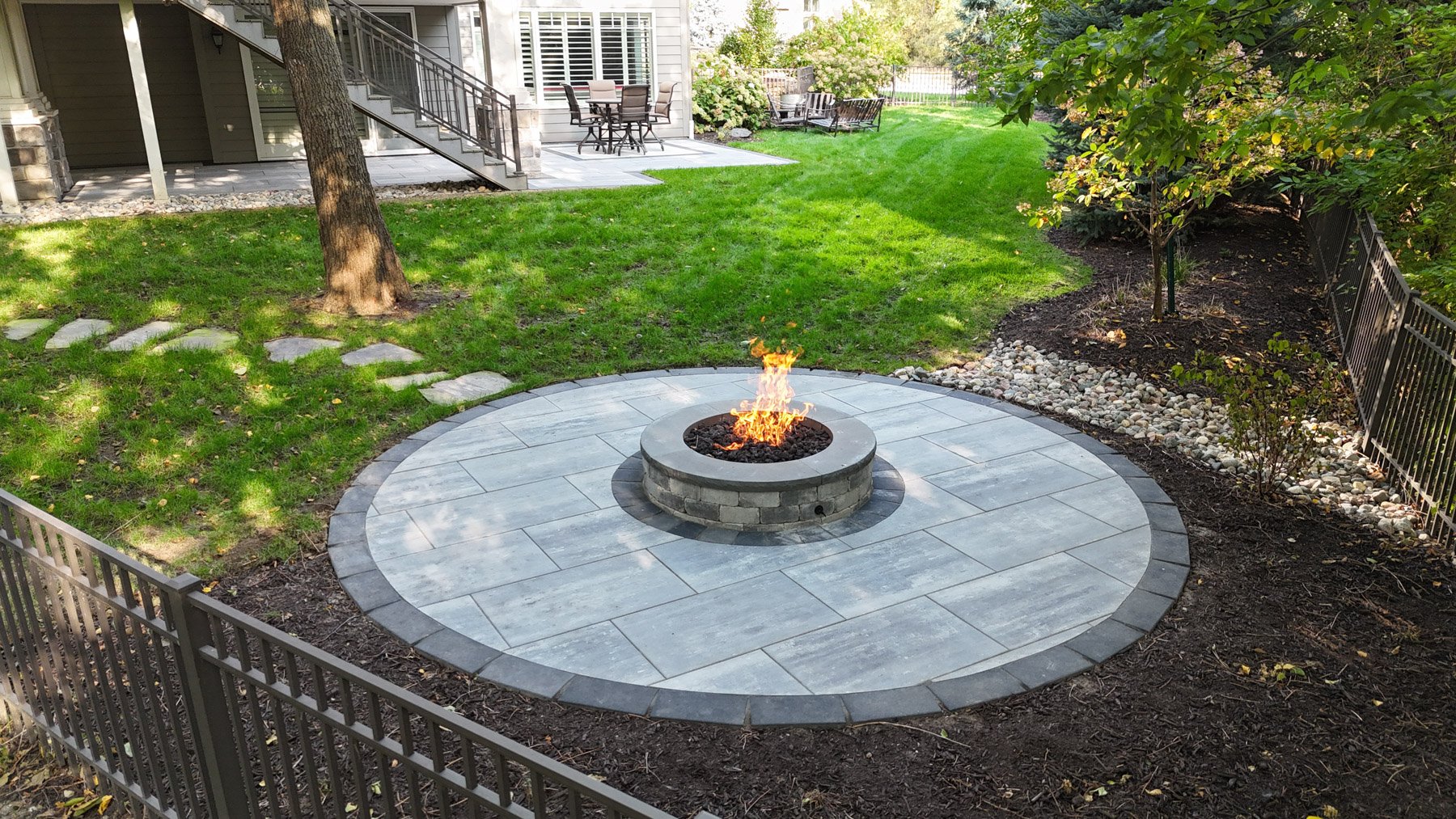
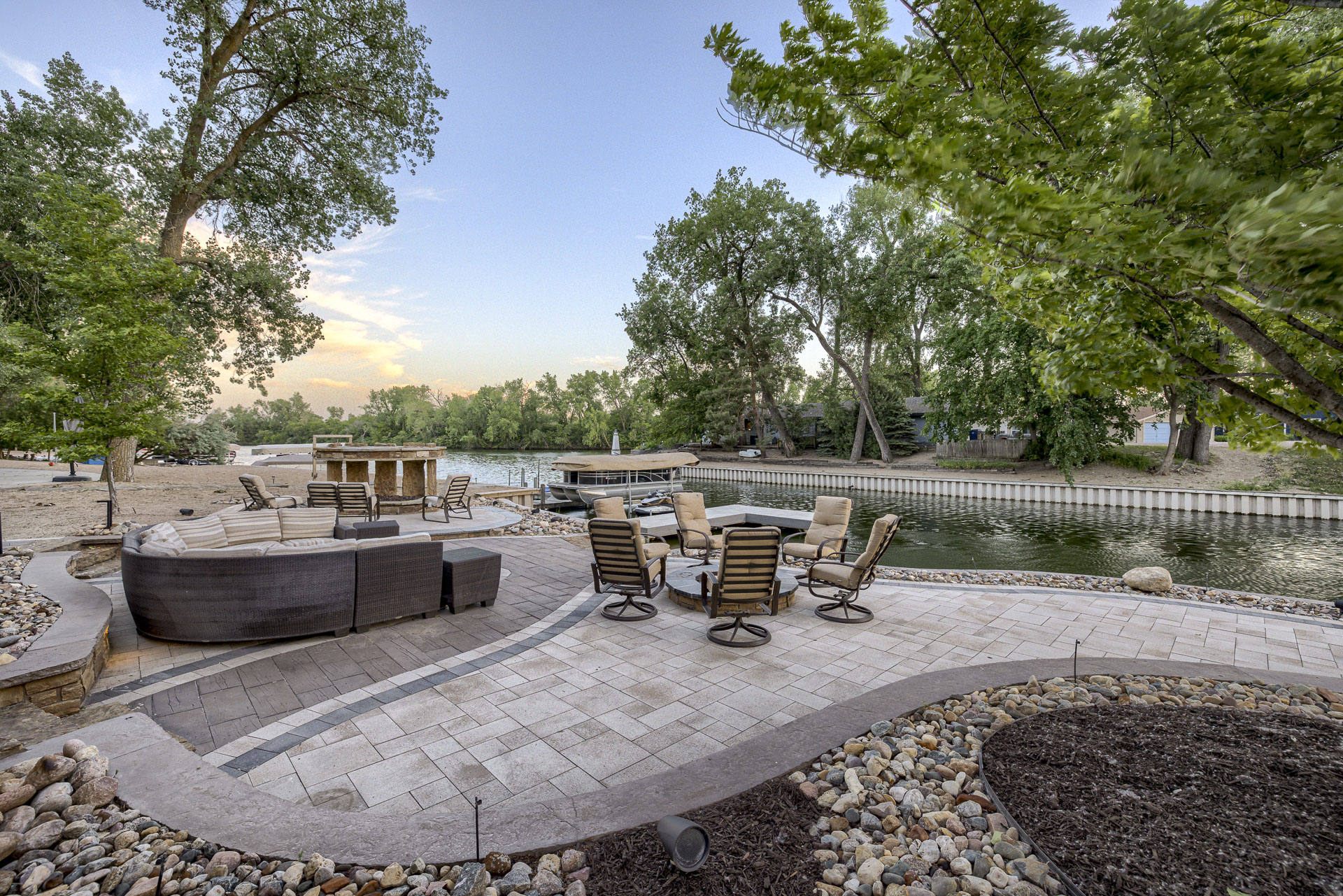
For example, imagine a spacious backyard patio with a built-in fire pit. Instead of using the same material across the entire surface, you could create a contrasting border around the fire pit to define that gathering area. Or you might use large-format pavers for the main entertaining space and a different pattern for a walkway leading to the backyard. These details can make a big difference in the overall design.
When we work with our clients, we use design renderings and visual examples to help homeowners see how different materials and patterns will look together before installation begins.
The goal isn't just to choose a patio material you like. It's to create a cohesive outdoor space that works with the rest of your property.
Are Paver Patios More Expensive Than Concrete Patios?
In most cases, yes. A professionally installed paver patio will cost more upfront than a standard poured concrete patio.
One of the biggest reasons is labor. Pavers are installed individually, requiring careful preparation, layout, cutting, leveling, and finishing. More intricate designs and borders can add to the installation time. The pavers themselves can also vary significantly in price depending on their size, finish, color, and manufacturing process.
Groundscapes offers options across three general paver price levels: economical, mid-range, and premium. This allows us to help homeowners balance the appearance they want with the investment they're comfortable making.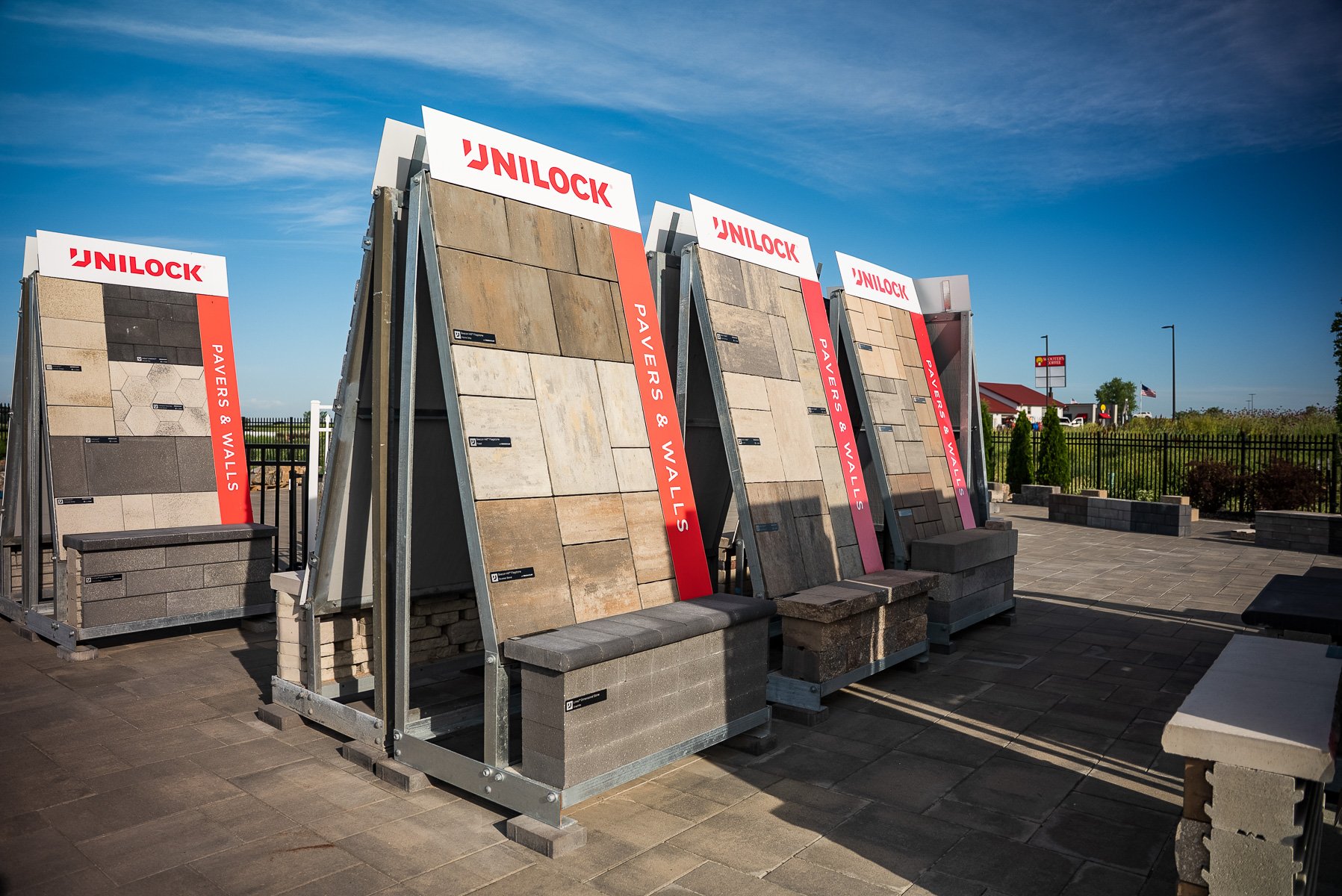
Higher-end pavers may offer enhanced surface finishes, color consistency, or resistance to certain stains and wear. Some products have color and finish treatments that extend beyond the surface, while others may reveal a different-looking interior if chipped.
It's worth understanding these differences before making a selection.

Think Beyond the Initial Installation Cost
When comparing paver patio vs. concrete patio costs, consider the long-term picture. A lower upfront price doesn't necessarily mean a lower lifetime cost.
Concrete may require crack repairs, resurfacing, or eventual replacement. Pavers may require periodic joint maintenance, cleaning, and occasional resetting, but individual repairs are often easier to manage.
Neither material is completely maintenance-free. However, a well-built paver patio can provide decades of use, making it an appealing option for homeowners who want a durable, long-lasting outdoor space.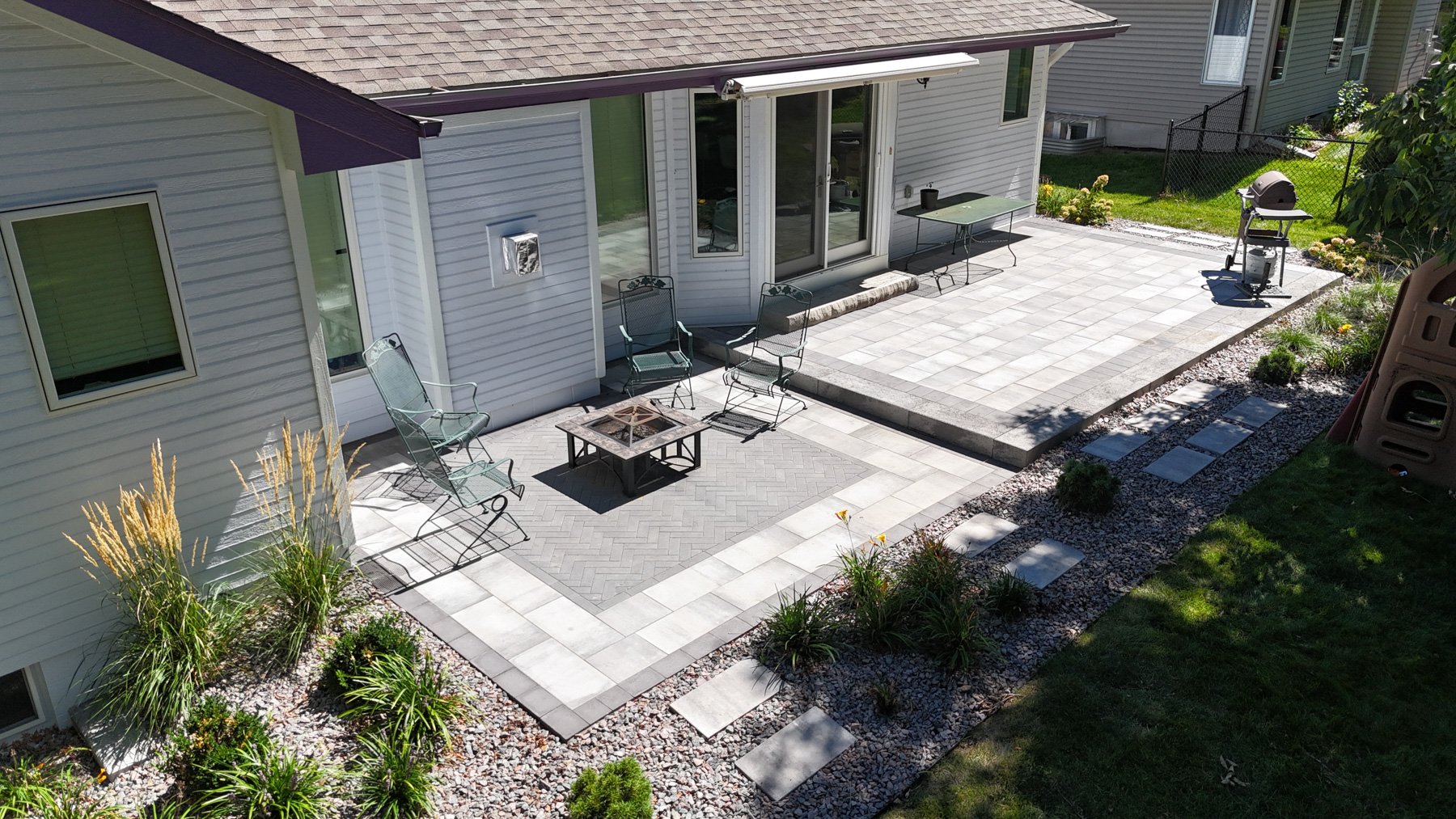
Which Patio Material Requires Less Maintenance?
Both pavers and concrete need some care to maintain their appearance. Concrete patios generally benefit from regular cleaning and may need resealing, particularly if they have a decorative or stamped finish. Cracks should also be monitored and addressed when appropriate.
Paver patios benefit from cleaning, weed and debris removal, and occasional joint sand maintenance. Polymeric sand, which helps stabilize the joints between pavers, may need to be refreshed over time. Depending on conditions and use, this may be every 7-10 years, though some patios may need attention sooner. Sealing may also be recommended for certain paver products to enhance color or help protect against staining.
How to Choose a Patio Material That Complements Your Home
Your patio shouldn't feel like an afterthought. Whether you're building a small seating area or a complete outdoor living space, the materials should complement your home's architecture and the surrounding landscape.
Start by looking at your home's exterior. Do you have warm-toned brick, natural stone, light siding, or a darker, more contemporary finish? Some homeowners prefer patio materials that closely match their home's colors. Others like a little contrast to create visual interest.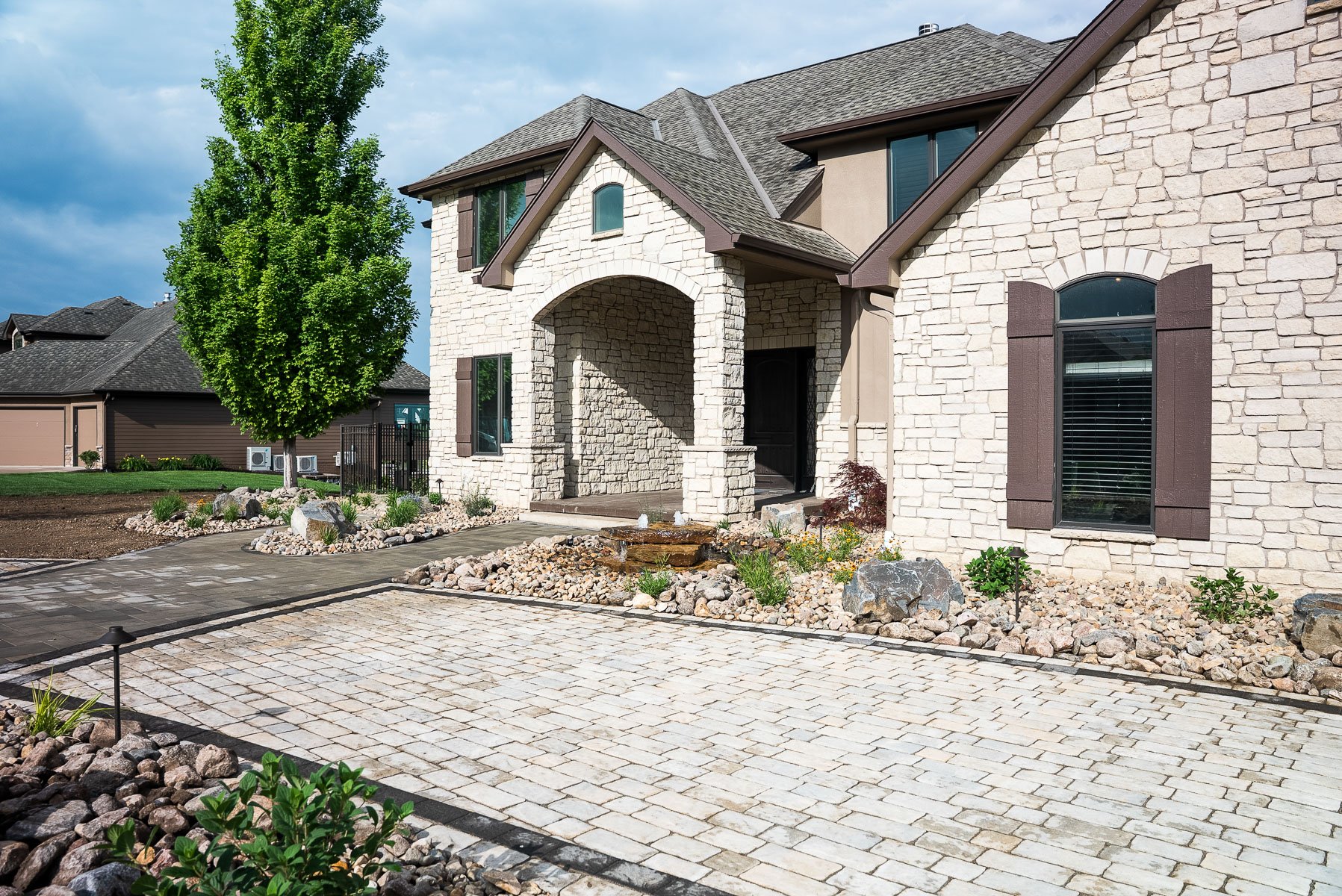
The architecture matters, too. A home with clean, straight lines may pair beautifully with large-format rectangular pavers. A more traditional home might benefit from textured pavers or a classic running bond pattern.
You'll also want to consider how the patio connects to other features. If you're planning an outdoor kitchen, fire pit, retaining wall, pool area, or walkway, choosing complementary materials can help the entire backyard feel connected.
Our designers at Groundscapes help homeowners explore these combinations through design screenshots, renderings, and material examples. When possible, seeing the materials in an actual outdoor setting can make the decision much easier.
Are Pavers or Concrete Better for an Omaha Backyard?
For many homeowners investing in a long-term backyard renovation, we recommend pavers. Their design flexibility, durability, repairability, and ability to accommodate seasonal movement make them a strong fit for Omaha's climate. They're especially appealing when the patio will be a central feature of a larger outdoor living space.
But that doesn't mean concrete is always the wrong choice. If your priority is creating a simple, functional patio at a lower upfront cost, concrete is a reasonable solution.
Here's a quick comparison: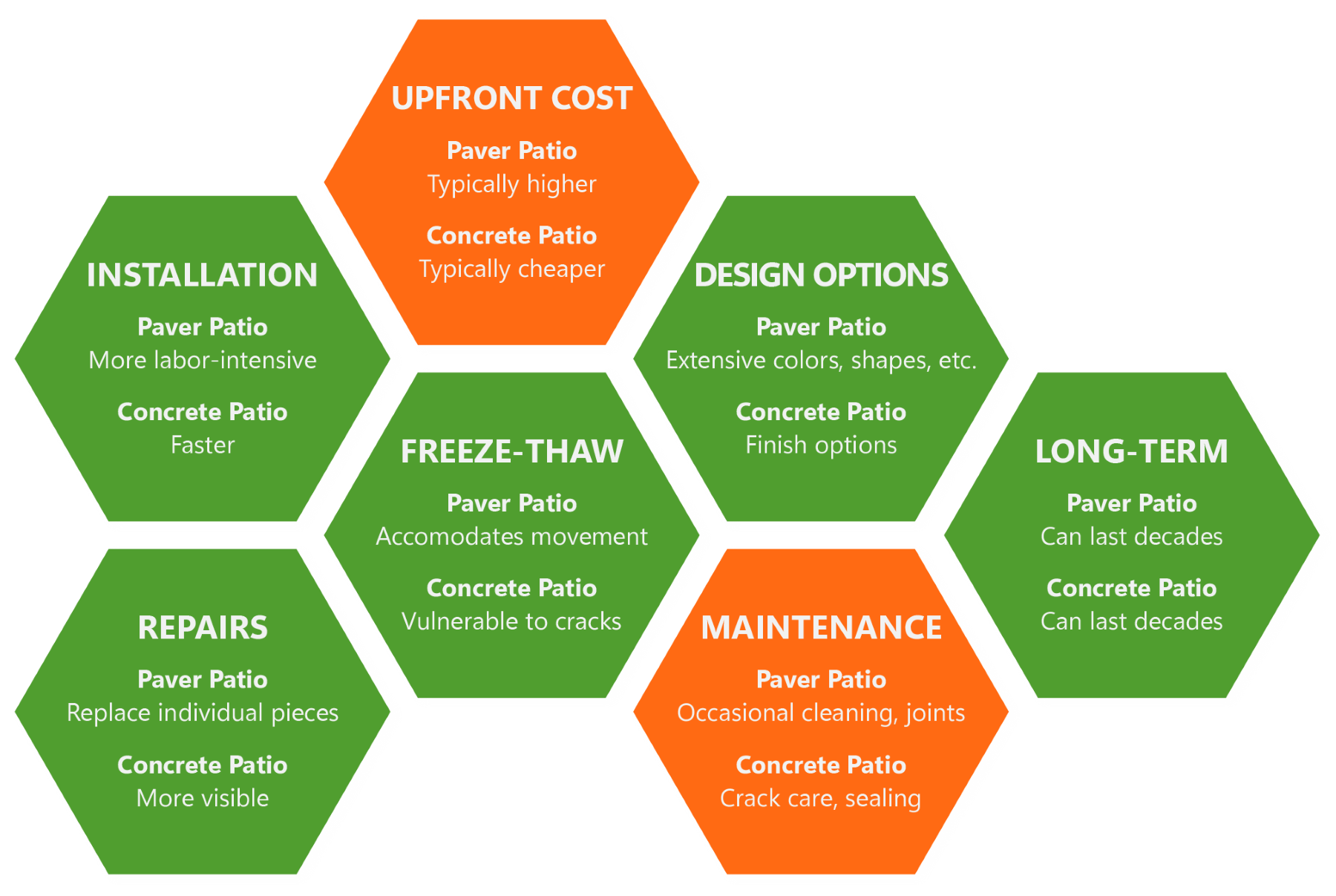
Ultimately, the best patio fits your home, how you plan to use the space, and your expectations for long-term performance.
Let Groundscapes Help You Design the Right Patio for Your Backyard
Choosing between a paver patio and a concrete patio is just one part of creating an outdoor space you'll love. You also need to think about the layout, how people will move through the space, where you'll entertain, and how the patio will connect with the rest of your landscape.
Groundscapes helps homeowners throughout Omaha, Elkhorn, Bennington, Gretna, Papillion, and surrounding communities design outdoor living spaces with all those details in mind.
Our team can walk you through paver styles, colors, finishes, and price points so you can decide with confidence. Whether you're imagining a comfortable spot for morning coffee or a complete backyard retreat with a fire pit and outdoor kitchen, we'll help you create a space that feels right for your home.
Ready to bring the vacation to your backyard? Check out our patio services and fill out our consultation form to start designing your new space.

Image Sources: cracked concrete